
Classes Gordon Center

OVERVIEW

The Gordon Center for Simulation and Innovation in Medical Education is a designated Center of Excellence at the University of Miami Miller School of Medicine. For nearly 50 years, we have been a global leader in healthcare simulation education, research, and innovation—advancing the training of healthcare professionals and first responders worldwide.

Each year, the Gordon Center trains more than 20,000 front-line clinicians and emergency personnel across Florida, the U.S., and internationally. Our simulation-based curricula and training programs are used by over 2,300 medical institutions and public safety agencies across the globe.

A State-of-the-Art Simulation Facility
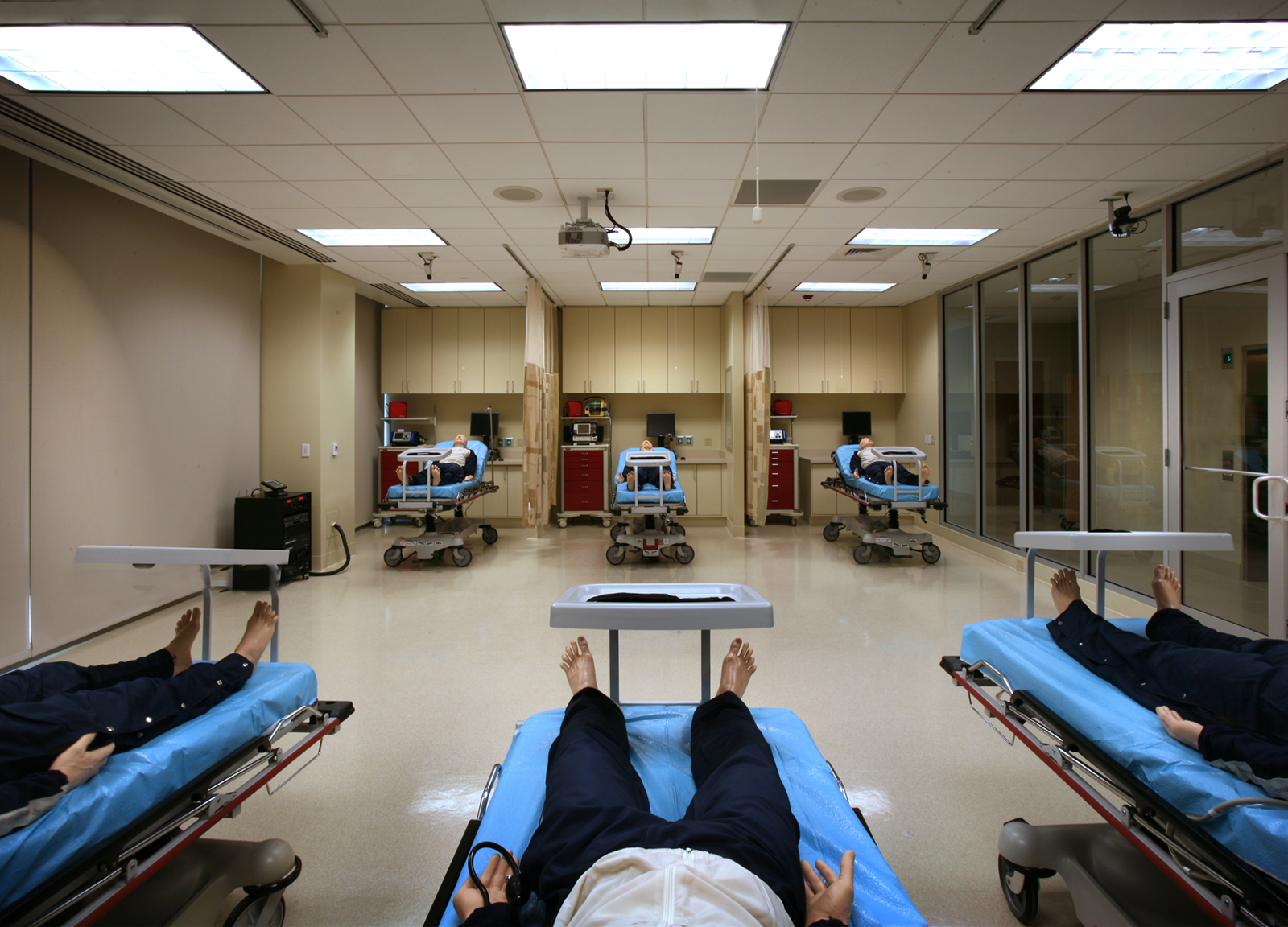
The Gordon Center’s 34,000-square-foot facility is a purpose-built environment designed to support cutting-edge simulation training, curriculum development, engineering innovation, and immersive instruction.

Harvey®: The Cardiopulmonary Patient Simulator
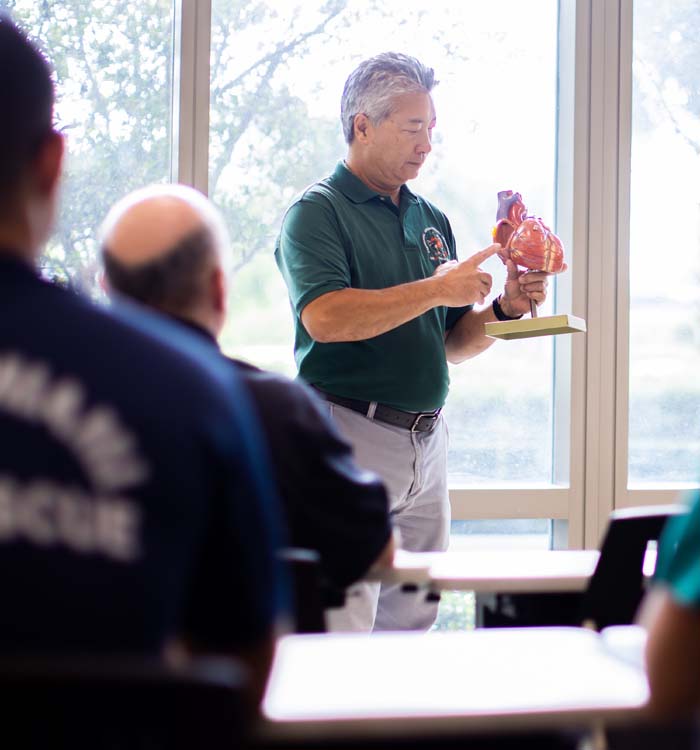
Our most iconic innovation, Harvey®, the Cardiopulmonary Patient Simulator, was first introduced in 1968 and remains the gold standard in cardiac simulation. Harvey® realistically simulates a wide range of cardiac and pulmonary conditions—including blood pressure, heart and lung sounds, pulses, and respiratory movements—offering unparalleled realism and educational value.

In 2025, we launched Harvey Premier, the next-generation version of this landmark simulator. Harvey Premier builds on more than five decades of educational and engineering excellence, incorporating enhanced anatomical fidelity, expanded cardiopulmonary scenarios, modernized hardware, and integrated multimedia curriculum support—setting a new standard for high-impact, simulation-based learning.

Advancing Prehospital and Emergency Training: ASLS® Blended
Our flagship emergency care training program is Advanced Stroke Life Support (ASLS®) Blended Learning, developed in collaboration with the American Heart Association (AHA). ASLS Blended is an innovative two-part training program that combines:

  • A self-paced web-based learning module, and
  • An immersive in-person skills session

This program equips healthcare professionals with the skills needed for the rapid recognition and management of stroke from the field through hospital care. In recognition of its impact, ASLS Blended has been adopted as the fourth official discipline in the AHA’s national network of training centers—joining BLS, ACLS, and PALS.

Building on this success, the Gordon Center recently partnered with the AHA and Laerdal Medical to launch the Essential Stroke Life Support® (ESLS) Online Provider Course. ESLS is a self-directed eLearning course designed to improve stroke recognition and triage—particularly for patients who present outside of advanced stroke care settings.

ESLS is ideal for basic healthcare providers who may not routinely treat or manage patients with stroke, helping to ensure that every provider can contribute to faster identification, timely triage, and improved outcomes for stroke patients across the continuum of care.

HISTORY

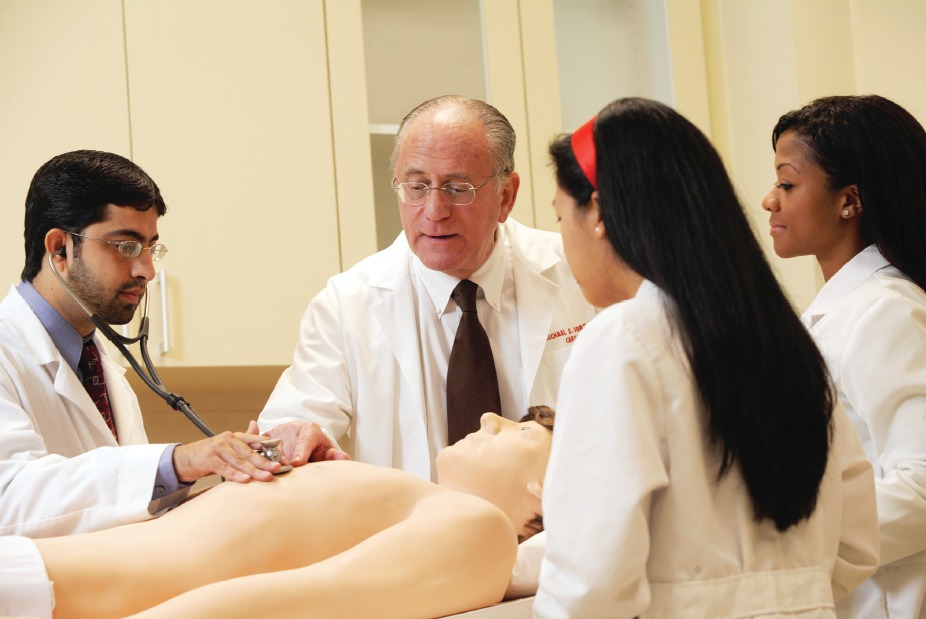
Dr. Michael S. Gordon envisioned a center where innovation, simulation, and education would intersect to transform how healthcare providers are trained. That vision took root in the late 1960s with pioneering work in medical simulation and became reality in 1977 with the founding of the Medical Training and Simulation Laboratory at the University of Miami.

As the Center’s scope broadened beyond simulation to include education research, curriculum development, and large-scale training initiatives, it was renamed the Center for Research in Medical Education. In 2005, in recognition of his lifetime achievements and transformative contributions, the University formally dedicated the facility as the Michael S. Gordon Center for Research in Medical Education.

To better reflect its expanded mission and global impact, the Center was renamed again in 2019 as the Michael S. Gordon Center for Simulation and Innovation in Medical Education—honoring Dr. Gordon’s pioneering work and reaffirming the Center’s leadership in healthcare simulation and innovation.

Dr. Gordon’s innovations have revolutionized healthcare education both locally and globally. A practicing cardiologist, he recognized the power of simulation to enhance the cardiac examination skills of medical students. In 1968, he developed the first cardiopulmonary simulator, Harvey®, named in honor of his mentor, Dr. Proctor Harvey. But Harvey was just the beginning.

In the 1980s, Dr. Gordon launched UMedic®, a groundbreaking computer-based multimedia learning system that has since been used to train generations of healthcare professionals—including students, physicians, nurses, emergency responders, and military personnel—in essential diagnostic and life-saving skills.

Today, the Gordon Center is home to both Harvey® and UMedic®, as well as its largest division: Prehospital and Emergency Training. These programs are available to medical providers, hospitals, and health systems nationwide and globally, furthering Dr. Gordon’s enduring legacy of educational innovation and impact.
Dr_Gordon_small_group
Saving_lives_Simulation_Gordon_Center

VISION AND MISSSION

Saving lives through simulation technology

We envision a world where cutting-edge simulation and educational innovation empower healthcare providers and first responders to deliver safer, faster, and more effective care, everywhere and every time it’s needed.

Advancing Prehospital and Emergency Training: ASLS® Blended
Our flagship emergency care training program is Advanced Stroke Life Support (ASLS®) Blended Learning, developed in collaboration with the American Heart Association (AHA). ASLS Blended is an innovative two-part training program that combines:

Developing and disseminating innovative, evidence-based curricula for Florida’s first responders—including firefighters, law enforcement officers, paramedics, military medics, and other public safety personnel—as well as for medical, nursing, and physician assistant students and practicing clinicians.

Delivering high-impact training to frontline healthcare providers, with a focus on those involved in emergency response, critical care, and time-sensitive interventions.

Serving as a resource and training hub for simulation-based programs, educational materials, and instructor development—supporting healthcare institutions and emergency response organizations across Florida, the United States, and globally.

Advancing research and innovation in the design, dissemination, and evaluation of simulation, mobile, and multimedia technologies for healthcare education and workforce development.

A State-of-the-Art Simulation Facility

The Center Features:

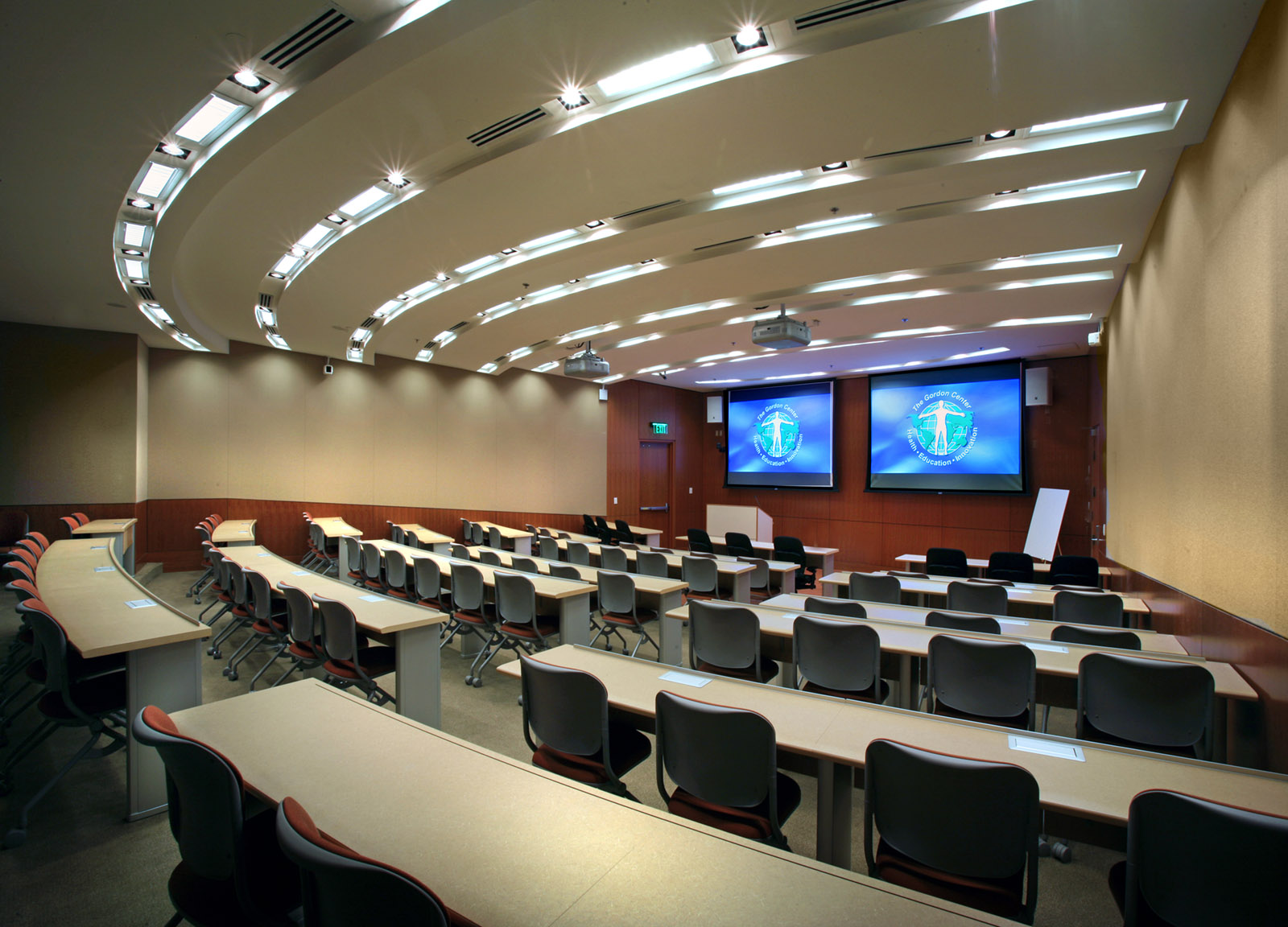
Video-enhanced instructional classrooms for team-based and case-based learning

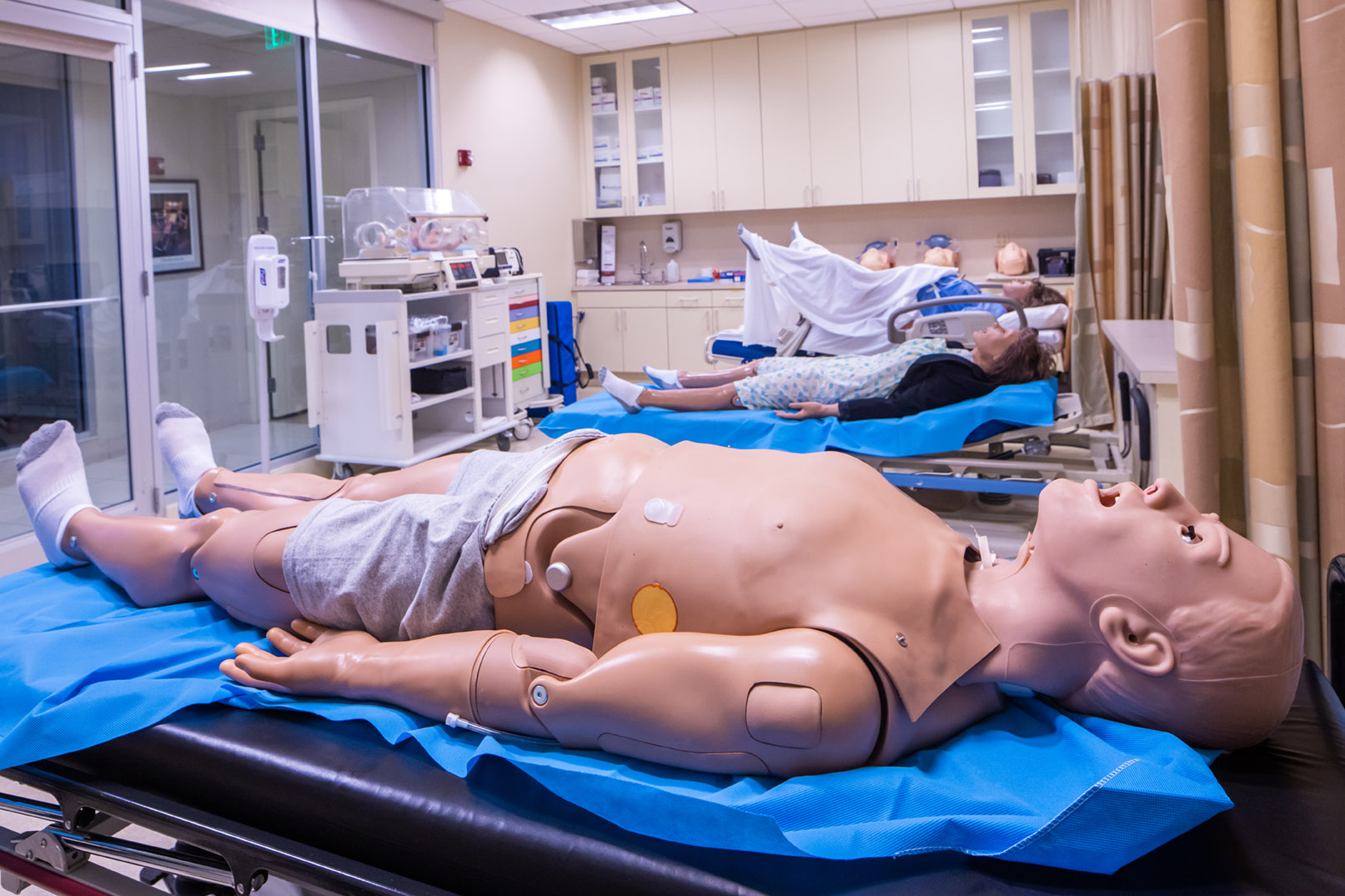
High-fidelity human patient simulators representing a range of clinical scenarios

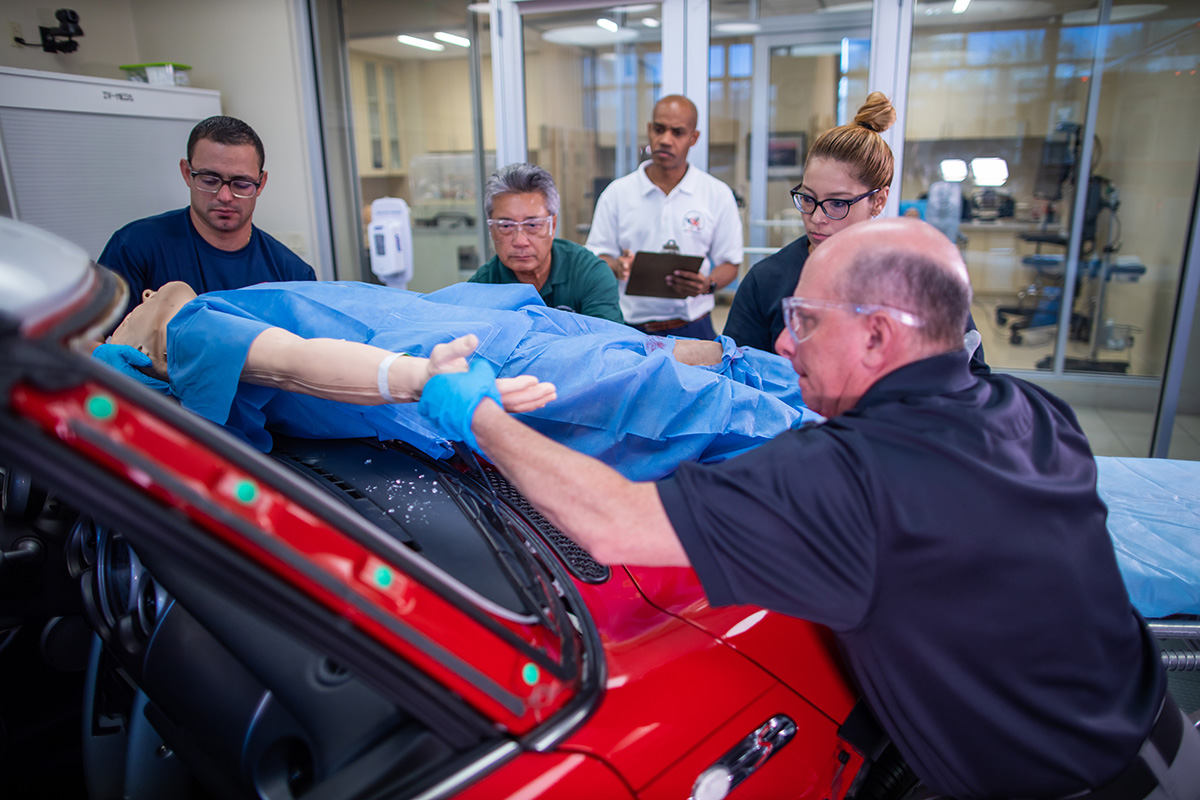
A full-scale emergency rescue vehicle for prehospital simulation

A custom car frame for trauma victim extrication training

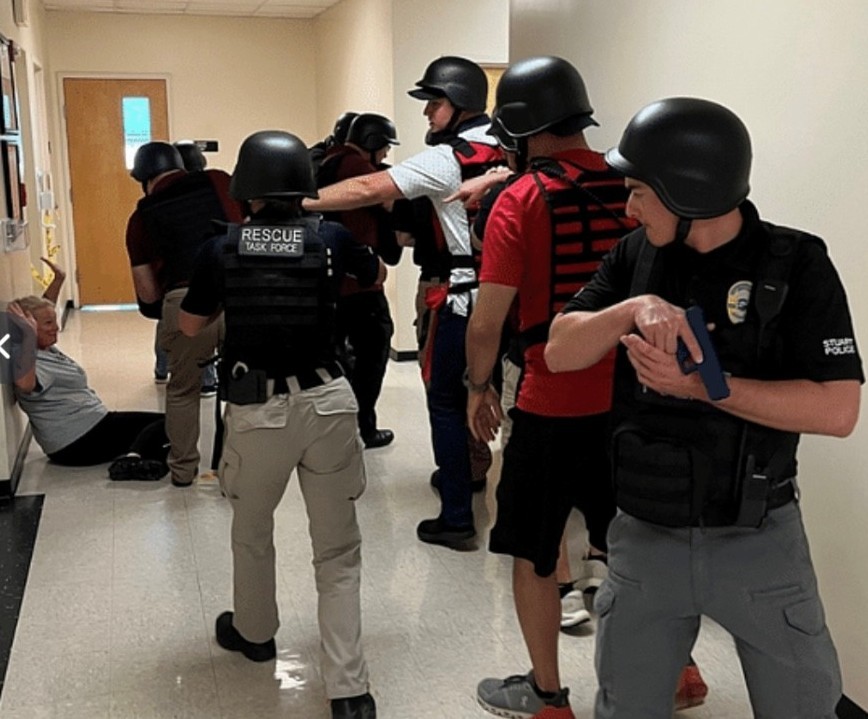
A disaster response training zone that includes decontamination showers and space for live tissue training

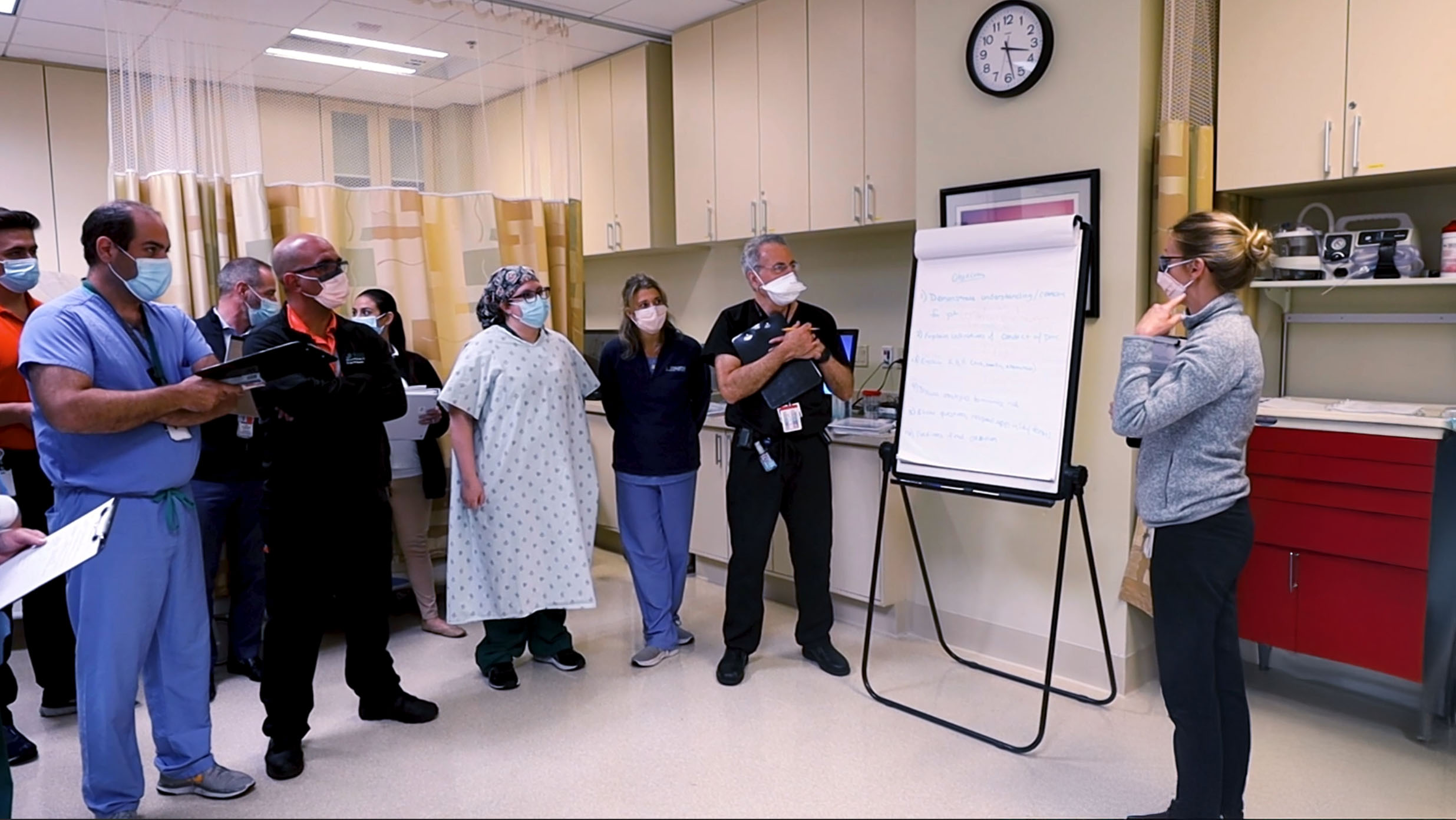
A mock emergency department that replicates critical care workflows in a controlled setting

Ten fully equipped patient exam rooms that support the Miller School of Medicine’s clinical skills and standardized patient program

Beyond training environments, the facility includes simulation engineering and fabrication workshops where a multidisciplinary team of faculty, digital/multimedia developers, and simulation technicians design, build, and maintain innovative simulation systems—including custom hardware, software, and mobile platforms.

This integrated infrastructure supports interprofessional training, research and development, and rapid response education, enabling the Gordon Center to meet the evolving needs of healthcare providers and emergency personnel worldwide.

FACULTY & STAFF

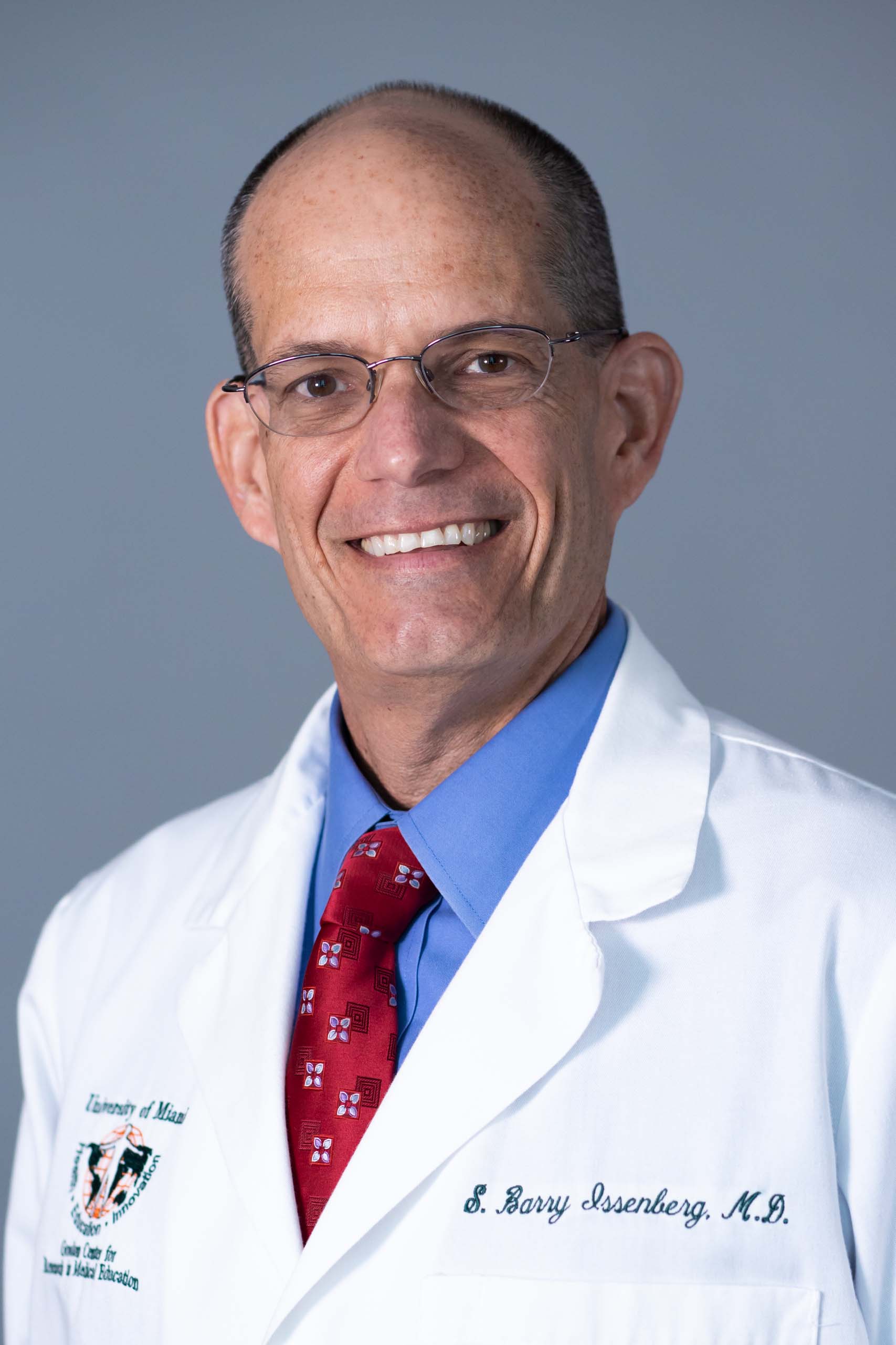
Dr. Issenberg - Gordon Center's Director
Director

S. BARRY ISSENBERG, MD

Barry Issenberg, MD, the Michael S. Gordon Endowed Chair of Medical Education and tenured Professor of Medicine, Senior Associate Dean for Research in Medical Education and Director of the Gordon Center for Simulation and Innovation in Medical Education. Dr. Issenberg holds secondary appointments as Professor in the Department of Medical Education and in School of Nursing and Health Studies. Dr. Issenberg received his medical degree from the University of Miami School of Medicine and carried out his residency training in internal medicine from the University of Alabama at Birmingham. His career has focused on the research, development, implementation, and evaluation of innovative training and evaluation systems.

Dr. Issenberg leads an international consortium of clinicians, educators and technical specialists that developed innovative training systems that are used at more than 2,200 institutions in nearly 70 countries. The longest standing example is Harvey, the Cardiopulmonary Patient Simulator, originally developed by Dr. Michael Gordon in 1966, and is now in its 11th generation training hundreds of thousands of learners each year. Research by Dr. Issenberg and colleagues have established the viability and importance of computer-based simulation and virtual patient training programs in teaching health professionals, especially cardiac and stroke assessment and treatment.

Dr. Issenberg has led several initiatives at the University of Miami integrating the use of new technologies for learning and assessment of students and faculty at all levels and has been a key member on the development and implementation of its new NextGen MD curriculum. He currently serves as the faculty lead for the Evaluation & Tracking Core of the University of Miami Clinical Translational Science Institute and serves as co-chair of the Academy of Medical Education Scholars.

Dr. Issenberg has authored or co-authored more than 200 publications and digital applications on the development, use and evaluation of innovative training systems in health sciences education. In 2003, Dr. Issenberg and is colleagues were invited to carry out a systematic literature review as part of the Best Evidence Medical Education (BEME) Collaboration. He led a consortium of clinicians and educators on producing the first major review of healthcare simulation that synthesized the findings of more than 35 years of research from all disciplines. The result was a landmark publication in the field of healthcare simulation that identified the most important features for effective learning and has been recognized as the most cited article in healthcare simulation.

In addition, Dr. Issenberg has serves on several national and international boards and committees related to medical education and healthcare simulation, including the Association of American Medical Colleges and Association for Medical Education in Europe. He is currently immediate past-president of the Society for Simulation in Healthcare, the largest international organization dedicated to the use of simulation to enhance training and patient care.

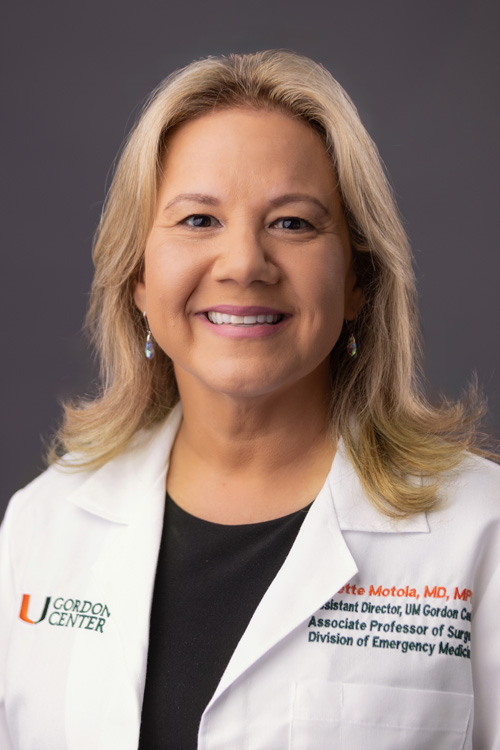
Dr_Motola_Gordon
Director of Prehospital and Emergency Training Division

IVETTE MOTOLA, MD, MPH

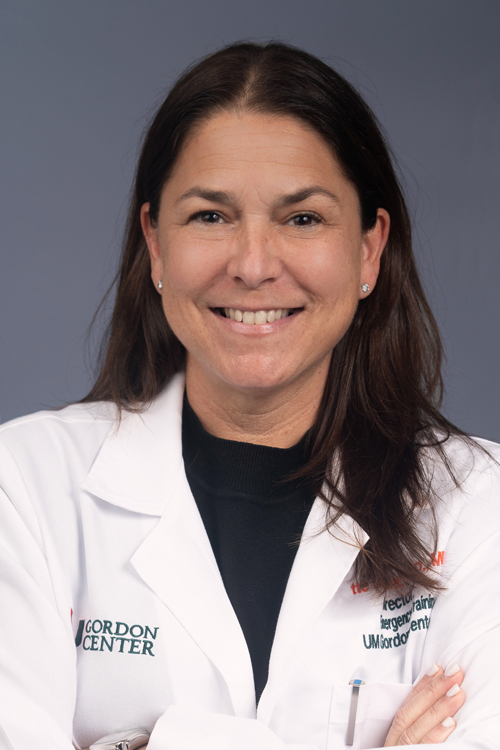
Ivette Motola is Professor of Emergency Medicine at the University of Miami Miller School of Medicine, Assistant Director of the Gordon Center for Simulation and Innovation in Medical Education and Director of the Prehospital and Emergency Healthcare Division (PEH) at the Gordon Center.

Dr. Motola joined the Gordon Center in 2007 and became the Director of Prehospital & Emergency Training Division in 2008. In this capacity, Dr. Motola develops curricula, instructional materials and assessment instruments for medical education of physicians, physician assistants, nurses, paramedics, and other allied health professionals. In the spirit of preparing the next generation of healthcare providers, Dr. Motola disseminates its education programs throughout Florida, the US and the world.

Dr. Motola has a special interest in developing curricula for prehospital and hospital-based emergency providers and the application of simulation to emergency medical education. Dr. Motola has served as PI or Co-PI on multiple grants from the National Institutes of Health, the Florida Department of Health and several foundations. Her research interests include effective use of simulation and technology for skills acquisition and retention, team training, training for disaster response, and stroke education.

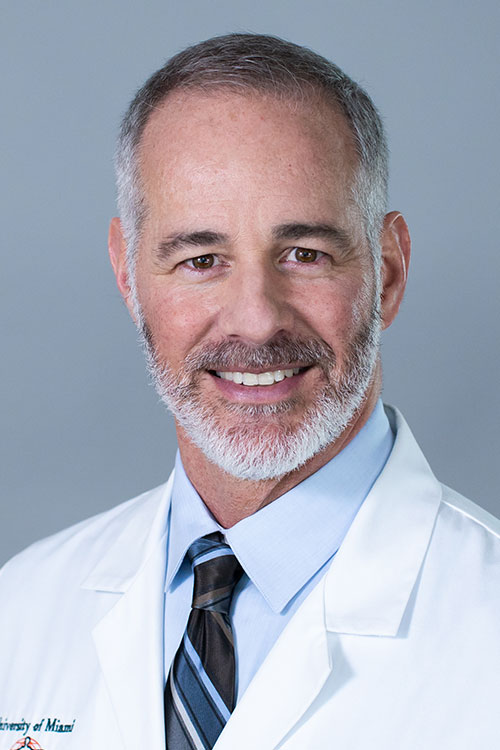
ross-j-scalese-md
Director of Educational Technology Development

ROSS J. SCALESE, MD

Ross Scalese is Professor of Medicine and Director of Educational Technology Development at the Gordon Center. He is certified by the American Board of Internal Medicine and is a Fellow of the American College of Physicians. Dr. Scalese sits on the Executive Faculty Curriculum Steering Committee, directs the major competency assessment programs for first- and second-year students, and is a founding Fellow of the Academy of Medical Educators at the Miller School of Medicine. He is active clinically and as a teacher of medical students and residents, particularly in the areas of cardiology and clinical skills.

Dr. Scalese’s special interests and research focus on innovative uses of simulation for competency-based training and assessment. He has been an invited speaker at numerous international conferences and has directed many faculty development courses addressing topics related to simulation-based medical education. He has co-authored some of the most widely cited references in the field, including the Best Evidence Medical Education (BEME) Collaboration systematic review on features of high-fidelity simulation that lead to effective learning.

joseph-b-esterson-md-2
Director of Cardiology Training Programs

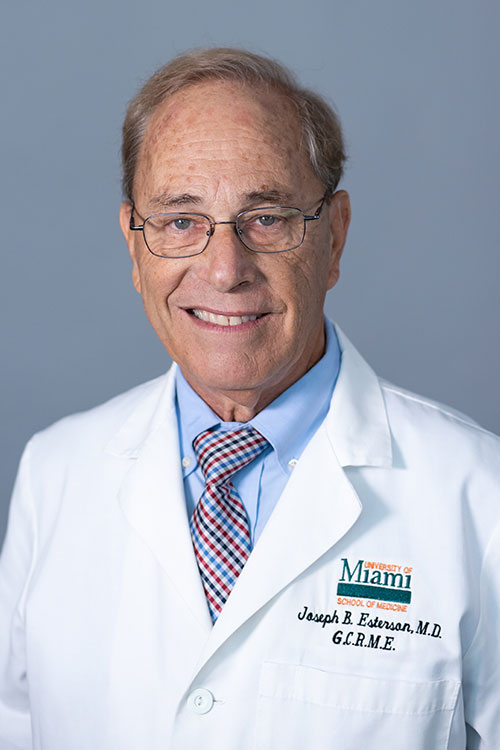
JOSEPH B. ESTERSON, MD

Dr. Esterson is the Director of Cardiology Teaching Programs at the for the Gordon Center for Simulation and Innovation in Medical Education with over 40 years of experience practicing and teaching clinical cardiology. He designs and implements major curricular innovations for the University of Miami medical school students, preparing them for life-long independent learning. A graduate of the University of Maryland School Medicine in 1969, Dr. Esterson enjoys teaching and has been repeatedly voted “best teacher” by UM’s medical school senior class.

Dr_Asit_Misra_Gordon_Center
Assistant Director of Prehospital and Emergency Training Division

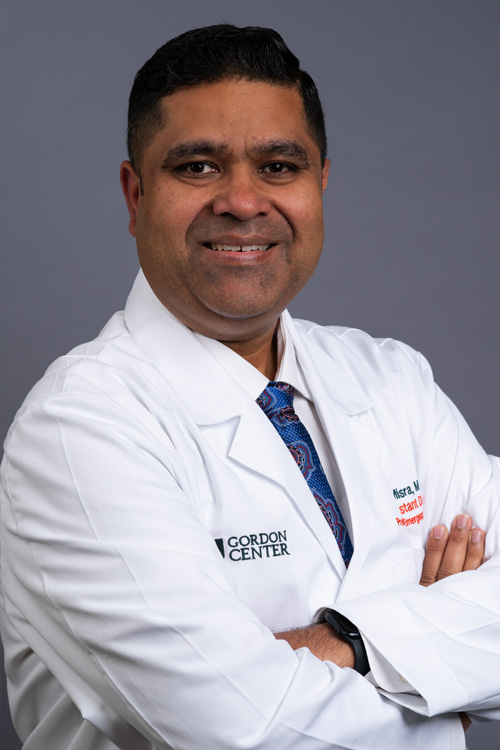
ASIT MISRA, MD, MSEd, CHSE, FSSH

Dr. Asit Misra has just joined the University of Miami’s Gordon Center for Simulation and Innovation in Medical Education as an Assistant Professor of Emergency Medicine (Department of Surgery) and will serve as its Assistant Director of the Prehospital and Emergency Training Division. Prior to joining the Gordon Center, Dr. Misra was an Instructor of Emergency Medicine and a Research Scientist at the Interprofessional Experiential Center for Enduring Learning at the University of Nebraska Medical Center in Omaha.

Dr. Misra graduated from the Tver State Medical University in 2003. He holds a Master’s Degree in Medical Education and Emergency Medicine. He has completed an American College of Surgeons Accredited Surgical Simulation Fellowship. Dr. Misra serves as an editorial board member, associate editor, and peer reviewer for several academic journals. He is also an Advisory Board member of the Core Curriculum & Education Committee for the International Federation of Emergency Medicine.

His areas of interest are healthcare simulation, disaster medicine, resuscitation, faculty development, and educational research. His research focus on demonstrating the outcomes and the impact of experiential learning, assessment, and program evaluation in simulation-based medical education.

Vivian Obeso Gordon Center
Associate Professor of Medical Education

VIVIAN OBESO, MD

Dr. Vivian Obeso received her medical degree from the University of Miami School of Medicine and completed her residency in Internal Medicine at Jackson Memorial Hospital. Following residency, she pursued a fellowship in Research in Medical Education at the University of Miami Gordon Center, a Center of Excellence in Simulation, Innovation and Research in Medical Education where she further developed expertise in curriculum design, assessment, and simulation-based education. She subsequently served as Assistant Director of Clinical Skills Training, where she maintained an active role in clinical practice and teaching while advancing academic initiatives in simulation, curriculum development, and clinical assessment.

In 2008, through a unique collaboration between two South Florida medical schools, she became the lead consultant for the development and implementation of a comprehensive clinical skills training and assessment program at the new Florida International University Herbert Wertheim College of Medicine (FIU HWCOM), a newly established medical school. In 2011, she transitioned into institutional leadership roles as Assistant Dean for Curriculum and Medical Education and Director of the simulation center, later advancing to Associate Dean for Curriculum and Medical Education, where she oversaw curricular innovation and program development.

Dr. Obeso is an alumna of the Harvard Macy Institute and is invited annually to serve as faculty for the “Systems Approach to Assessment in Health Professions Education” program. She also served as a national representative in the Association of American Medical Colleges’ pilot initiative on the Core Entrustable Professional Activities for Entering Residency, contributing to scholarship, multi-institutional collaboration, and national recognition in competency-based medical education.

In 2022, she returned to the University of Miami, where she currently serves as Senior Director of Clinical Skills and Competency-Based Assessment and Associate Dean for Continuing Medical Education.

al-brotons-emt-p
Associate Director of Operations & Instructor Development

AL BROTONS, EMT-P

Angel Brotons is the Gordon Center for Simulation and Innovation in Medical Education’s Associate Director for Operations and Instructor Development in the Division of Prehospital & Emergency Healthcare. Mr. Brotons is the AHA training Center director for several municipalities. He continues to serve as a firefighter and paramedic and oversees the STEMI and Stroke program in Monroe County Fire Rescue, Marathon, and Islamorada Fire Rescue.

Samia_Medeiros-Barbar
Assistant Director for Curriculum & Faculty Development of Prehospital and Emergency Training Division.

SAMIA MEDEIROS BARBAR, MD, CHSE

Dr. Barbar is an Assistant Professor of Medical Education at the University of Miami Miller School of Medicine and serves as Assistant Director of Curriculum and Faculty Development for the Prehospital and Emergency Healthcare Division at the Gordon Center for Simulation and Innovation in Medical Education. In this role, she is involved in the design, implementation, and evaluation of simulation-based educational programs aimed at improving clinical performance and patient care.
Prior to joining the Gordon Center, Dr. Barbar worked as a pediatric cardiologist at the Heart Institute of the University of São Paulo (InCor), one of the largest cardiac centers in Latin America, where she served as a lead physician in the pediatric emergency department. She is currently pursuing a PhD focused on in situ simulation training for interprofessional teams and its impact on clinical practice.
Her work focuses on simulation-based education in emergency and critical care, with particular emphasis on pediatric emergencies, team training, and quality improvement. She is actively engaged in curriculum development, faculty training, and learner assessment across multidisciplinary groups, including nurses, physicians, and prehospital providers.
Committed to collaborative scholarship, Dr. Barbar contributes to national and international initiatives aimed at advancing simulation-based education. She is a member of the international expert group that participated in the Utstein-style consensus meeting in Copenhagen, which established a global research agenda for extended reality in healthcare simulation .
Her academic interests include team training, debriefing, and the application of simulation to enhance clinical decision-making, communication, and patient safety.
Jeffrey Groom - Gordon Center
Simulation Educator

JEFFREY GROOM, PhD

Jeffrey Groom, PhD, CRNA, FSSH is a seasoned educator, clinician, and consultant. Combining his diverse clinical background and doctorate in instructional technology focusing on simulation, Dr. Groom has utilized simulation-based instruction in educating healthcare professionals for over 40 years. Dr. Groom is an active and founding member of the Society for Simulation in Healthcare, a Fellow in the Academy, serves as an Editorial Board member for the Journal for Simulation in Healthcare, serves on the SSH Finance and Audit Committee, serves as a SSH Accreditation Reviewer, and served as Co-Chair for the 2020 20th Anniversary International Meeting on Simulation in Healthcare.

Dr. Groom has been a frequent invited speaker at numerous national and international venues on the topics of simulation education, assessment, and facility design. Most recently, he served as Co-Chair for the Simulation Committee for the National Board for Certification and Recertification of Nurse Anesthetists evaluating the state of high stakes simulation-based assessment. His research interests include investigating the role of medical simulation for improving patient safety and medical decision making under stress. He has served as a consultant and educator with the University of Miami, Gordon Center for Simulation and Innovation in Medical Education for more than 30 years. He is one of the course co-authors of the international Improving Simulation Instructional Methods (iSIM) program. Dr. Groom also serves as the Director for Special Projects for the Simulation Hospital Advancing Research and Education and adjunct Professor of Clinical in the School of Nursing and Health Studies at the University of Miami. Dr. Groom is CEO of jagTEAM Consulting, LLC.

Sam_Symths_Gordon_Center
Director, Standardized Patient Program

SAMANTHA SYMS, MS, CHSE

Samantha Syms is the Director of the Standardized Patient Program at the Gordon Center for Simulation and Innovation in Medical Education at the University of Miami Miller School of Medicine. Ms. Syms is a Certified Healthcare Simulation Educator (CHSE) with a focus on standardized patient methodology and demonstrated experience in simulation operations, program administration, and program evaluation. She is also a doctoral student studying Adult Education/Human Resource Development and is interested in researching patient-centered communication and the integration of technology with human simulation.

Julia Negrevergne -Gordon Center
Director, Financial and Strategic Development, Center Administrator

JULIA NEGREVERGNE, MBA

Julia serves as the as Director of Financial and Strategic Management of the Gordon Center for Simulation and Innovation in Medical Education and she is the Center Administrator. In these roles, she leads the Center’s financial and business operations while providing strategic direction across its administrative functions. She spearheads the development and execution of initiatives that strengthen organizational effectiveness, ensure financial sustainability, and drive the Center’s long-term growth and strategic objectives.

Zachary Hubenthal Gordon Center
Assistant Director of Training Operations Division of Prehospital and Emergency Training

Zachary Hubenthal

Zuzanna Krawiec_Gordon_Center
Director, Continuing Medical Education

ZUZANNA KRAWIEC

richard-rodriguez-ma
Research Support Manager

RICHARD RODRIGUEZ, MA

Mr. Rodriguez manages the distribution of Harvey, the Cardiopulmonary Patient Simulator, and the Gordon Center’s line of UMedic applications in medical education. Richard also acts as Research Assistant on studies carried out by the Center’s Division of Prehospital & Emergency Healthcare.

Diego Waisman MFA
Sr. Manager, Multimedia Services

DIEGO WAISMAN, MFA

Julia serves as the as Director of Financial and Strategic Management of the Gordon Center for Simulation and Innovation in Medical Education and she is the Center Administrator. In these roles, she leads the Center’s financial and business operations while providing strategic direction across its administrative functions. She spearheads the development and execution of initiatives that strengthen organizational effectiveness, ensure financial sustainability, and drive the Center’s long-term growth and strategic objectives.

Aaron Mcentire
Manager of Web Development

AARON MCENTIRE, MS

Mr. McEntire works in the Division of Research and Technology. He uses his background in human anatomy and computer programming to help develop the Center’s computer-based learning programs.
Dani_Bianco_Gordon_Center
Manager, Administrative Operations

DANI BIANCO

Mirian Reyes
Manager, Business Operations

MIRIAN REYES

Darlin_Guzman_Gordon_Center
Sr. Manager, Administrative Operations

DARLIN GUZMAN

As Senior Manager of Administrative Operations at the Gordon Center, Ms. Guzman contributes to the department’s financial oversight and operational efficiency to optimize resource allocation and achieve the Center’s goals. She collaborate closely with leadership to ensure fiscal integrity and operational effectiveness.

Sabrina_Fernandez_Gordon_Center
Program Coordinator

SABRINA CHANEZ

Michael_Saco_Gordon_Center
Programs Manager

MICHAEL SACO

Michael Saco is an EMS Instructor and Simulation Technologist Coordinator. His duties include coordinating the simulation setup & experience for the center’s classes along with teaching.
Diana_Reyersbach_Gordon_Center
Standardized Patient Program Coordinator

DIANA REYERSBACH

Nicholas_Gonzalez_Gordon_Center
Standardized Patient Coordinator

NICHOLAS GONZALEZ

is the Standardized Patient Educator for the SP Program within the Gordon Center. He has a background in psychology. He specializes in working with SPs to train them on their portrayals, the physical exam, and learner assessments. Nicholas also works as the quality assurance analyst for the program, striving to maintain and further develop SPs in every regard of the role. He seeks to uphold the Gordon Center’s mission of innovation in simulation and medical education.

Barbara_Moahamed_Gordon_Center
Standardized Patient Program Coordinator

BARBARA MOAHAMED

AMANDA-FERNANDEZ-ACOSTA
SP Program Manager

AMANDA FERNANDEZ-ACOSTA

Amanda Fernandez-Acosta is the Manager of the Simulated Patient Program at the Gordon Center for Simulation and Innovation in Medical Education at the University of Miami Miller School of Medicine. She received her Bachelors in theatre performance for Florida State University, and brings over five years of experience in simulation-based education.
Amanda began her journey as a Simulated Patient at the University of Miami during the height of the COVID-19 pandemic and has grown alongside the program ever since. She has presented at international conferences on topics such as “Empowering Your SPs Through Professional Development,” “Commit to the Bit: An Acting Workshop,” “The Impact of SPs in Preparing Emergency Professionals for Advanced Life Support Medical Challenges,” “Breaking Bad News in the Pediatric Hematology-Oncology Setting,” and “SPs Beyond Healthcare: Utilizing Simulated Parents (SPs) to Train Music Education Pre-Service Teachers,” among others.
From Simulated Patient to data coordinator, and now in her current role as manager, Amanda remains dedicated to the mission of improving lives through simulation education.
Harvey Development Specialist

TIMOTHY COSTER

Mr. Coster is responsible for the construction and assembly of some of Harvey’s electronic components and provides technical support regarding Harvey and UMedic software in the lab and in the field. Tim works with the other engineers involved with the refinement and improvement of technology used in Harvey. Certifications: Electronics Engineering (BNC).

Mario Zambrana
Harvey Development Specialist

MARIO ZAMBRANA

Mr. Zambrana is responsible for the manufacturing of actuators and fabrication of Harvey. He provides support for the Gordon Center’s Cardiology, Neurology, and PEH programs training operations. Mario has a Certification in Mechanical, Architectural Drafting.

Jim_Ceavers
Standardized Patient Program Coordinator

JAMES CEAVERS

Harvey Development Specialist